
T+1 Settlement Cycle in India: What You Need to Know
By IPO Plus
Learn what is t+1 settlement cycle in india and how it works. Understand the changes, benefits, and impact on stock trading in Indian markets. — dates, price ba
T+1 Settlement Cycle in India: What You Need to Know
Key Takeaways
- The T+1 settlement cycle in India means trades are settled one business day after the transaction date, accelerating fund and share transfers.
- This shift enhances market efficiency, improves liquidity, and significantly reduces systemic risk by shortening the exposure window.
- Investors now receive sale proceeds and purchased shares faster, positively impacting cash flow and reinvestment opportunities.
- The T+1 cycle was fully implemented for all listed Indian equities by January 27, 2023, following a phased approach.
- Understanding the T+1 timeline is crucial for adjusting trading strategies and ensuring timely fund management.
What is the T+1 Settlement Cycle?
How does the T+1 settlement cycle work?
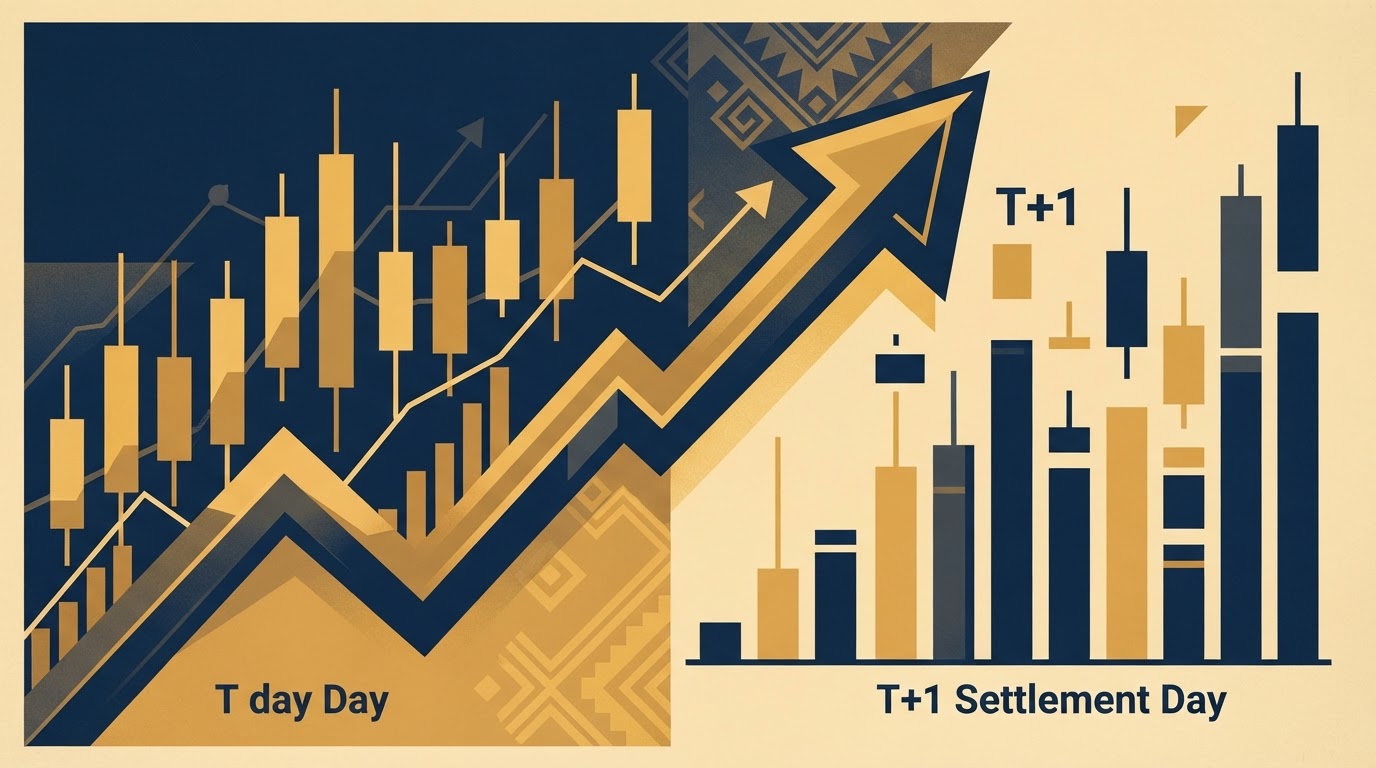
The T+1 settlement cycle in India refers to a system where stock market trades are settled within one business day after the transaction date. This means that if you buy or sell shares on Monday (T stands for transaction day), the settlement, which involves the actual transfer of shares and funds, will be completed by Tuesday (T+1). This accelerated timeline aims to bring greater efficiency and liquidity to the Indian securities market.
The T+1 settlement cycle mandates that the exchange of securities and funds between buyers and sellers must occur by the end of the next trading day following the transaction. For instance, if an investor sells shares on a Monday, they are assured of receiving their funds by the end of Tuesday. Conversely, if an investor buys shares on Monday, they will receive the shares in their demat account by Tuesday. This streamlined process significantly reduces the time lag between trade execution and final settlement.
What was the previous settlement cycle in India?
Previously, India operated on a T+2 settlement cycle, meaning that transactions were settled two business days after the trade date. Under the T+2 system, a trade executed on Monday would be settled by Wednesday, allowing for a longer period before the actual transfer of ownership and funds took place. The shift from T+2 to T+1 represents a significant reform in the Indian capital markets, aligning it with global best practices and enhancing operational speed.
Why Did India Adopt T+1?
What are the benefits of T+1 for investors?
India adopted the T+1 settlement cycle primarily to enhance market efficiency, reduce systemic risk, and improve liquidity for all participants. This move was a strategic decision by market regulators to modernize infrastructure and attract global investment.
For investors, the T+1 settlement cycle offers several key benefits. Investors receive funds more quickly after selling shares, which improves their cash flow and provides faster access to their capital for reinvestment or other needs. Similarly, buyers receive their purchased shares in their demat accounts sooner, reducing the waiting period for ownership. This faster settlement timeframe also mitigates market price risk, as the exposure to market fluctuations between trade and settlement is shortened. Enhanced liquidity is another advantage, as capital is tied up for less time, allowing for more dynamic trading strategies.
How does T+1 improve market efficiency and reduce risk?
The shift to T+1 significantly improves market efficiency by reducing the time securities and funds are in transit, freeing up capital faster. It also substantially reduces systemic risk by shortening the exposure window to market volatility, counterparty defaults, and operational failures between the trade date and settlement date. A shorter settlement cycle means less collateral is held for a shorter duration, optimizing capital utilization across the market. This increased speed and reduced risk make the Indian market more attractive and robust.
India is not alone in adopting the T+1 settlement cycle; it joins a growing list of global markets that have moved to or are planning to adopt this expedited system. The United States and Canada, for example, have also transitioned to T+1 in 2024. Many other developed and emerging markets have been operating on T+2 for some time, and the global trend indicates a strong push towards even faster settlement cycles. By moving to T+1, India positions itself as a forward-thinking market, aligning with international standards and enhancing its competitiveness among global financial hubs.
Global precedents: Is India alone in this move?
How Does T+1 Impact Investors?
When will you receive funds after selling shares?
The T+1 settlement cycle significantly impacts investors by accelerating the transfer of funds and shares, requiring adjustments in their trading and financial planning strategies. This change primarily affects the timing of capital availability and security delivery.
With the T+1 settlement cycle, investors will receive funds from selling shares by the end of the next trading day. For instance, if shares are sold on a Monday, the sale proceeds will be credited to the investor's trading account by Tuesday evening. This accelerated fund availability means investors have faster access to their capital, which can then be used for new investments or withdrawn into their bank accounts sooner than under the previous T+2 system.
What changes for buying shares and receiving delivery?
For investors buying shares, the T+1 settlement cycle means that purchased shares will be credited to their demat account by the end of the next trading day. If shares are bought on a Monday, they will appear in the investor's demat account by Tuesday evening. This quicker delivery of securities ensures that investors gain ownership of their assets faster, reducing the time they are exposed to potential market risks without holding the actual shares.
Investors may need to adjust their trading strategies to leverage the benefits and manage the implications of the T+1 settlement cycle. Those who frequently churn their portfolios or engage in short-term trading will find their capital cycles significantly shortened, allowing for quicker reinvestment. However, traders relying on certain financing arrangements or margin calls might need to ensure they have sufficient funds earlier. It is crucial to understand the compressed timelines for fund and security availability, especially for those who combine multiple trades within a short period, to avoid any settlement failures or penalties. Brokerage platforms and financial advisors can provide specific guidance tailored to individual trading patterns.
Should you adjust your trading strategies?
Key Dates and Implementation
When did the T+1 settlement cycle officially begin in India?
The T+1 settlement cycle was officially implemented in India through a carefully planned, phased approach to ensure a smooth transition across the market. This gradual introduction helped market participants adapt to the new timeline effectively.
The T+1 settlement cycle officially began for all Indian listed securities on January 27, 2023. This date marked the culmination of a phased transition that started earlier, ensuring that the entire market had ample preparation time to adapt to the new, faster settlement system.
What was the phased implementation approach?
The implementation of the T+1 settlement cycle in India followed a phased approach, starting with a selection of stocks with the smallest market capitalization and progressively moving to larger ones. The first phase began on February 25, 2022, with the bottom 100 stocks in terms of market value transitioning to T+1. Subsequent tranches of 500 stocks each were moved to the T+1 regime every last Friday of the month. This staggered approach allowed market participants, including investors, brokers, and clearing corporations, to gradually adjust their systems and processes, minimizing potential disruptions and ensuring a seamless shift for the entire market.
Frequently Asked Questions About T+1
Does T+1 apply to all securities?
This section addresses common questions investors have regarding the T+1 settlement cycle in India, providing clear and concise answers.
Yes, the T+1 settlement cycle applies to all equity securities traded on the Indian stock exchanges, including those on the mainboard and SME platforms. This unified approach ensures consistent settlement timelines across the entire listed equity segment.
What if there's a holiday during the T+1 period?
If there is a holiday during the T+1 period, the settlement date will be extended by one business day. For example, if a trade occurs on Friday, and Monday is a holiday, the settlement will occur on Tuesday (T+2 instead of T+1), as the settlement considers only business days.
You can find more information about the T+1 settlement cycle on the official websites of the Securities and Exchange Board of India (SEBI), the National Stock Exchange (NSE), and the Bombay Stock Exchange (BSE). Brokerage firms and financial news outlets also provide detailed insights and updates on this topic.
Where can I find more information about T+1?
Frequently Asked Questions
What is the primary benefit of the T+1 settlement cycle in India?
The primary benefit of the T+1 settlement cycle is the accelerated completion of trades, which leads to faster access to funds for sellers and quicker delivery of shares for buyers, reducing market risk and improving overall market liquidity.
When did T+1 become effective for all securities in India?
The T+1 settlement cycle officially became effective for all equity securities listed on Indian exchanges on January 27, 2023, following a phased implementation approach that began in February 2022.
How quickly will I receive cash after selling shares under T+1?
Under the T+1 settlement cycle, you will receive the funds from your share sale by the end of the next business day following the transaction date.
Does the T+1 rule apply to all types of market transactions?
The T+1 settlement rule primarily applies to equity cash market transactions on Indian stock exchanges, including both mainboard and SME listings. Derivatives or other specific segments may operate under different settlement timelines.
What happens if I sell shares before they are credited to my demat account under T+1?
Selling shares before they are credited to your demat account is generally not permitted under T+1 settlement rules; doing so can lead to a 'short delivery' and potential penalties or auction settlement if the shares are not available for delivery by T+1.
Is T+1 settlement universal across global stock markets?
No, T+1 settlement is not yet universal across all global stock markets, though many major markets like India, the US, and Canada have adopted or are transitioning to it. Some markets still operate on T+2 or T+3 cycles.
How does T+1 affect margin trading?
In margin trading, T+1 means that collateral requirements and funding needs may be adjusted for a shorter duration. Brokers might collect margins earlier, and funds for margin calls might be needed faster due to the compressed settlement window.